
Tracing Former Jackson County Owners
Jackson County's former-owner trail begins with land books kept from the county's earliest years, and access today runs through several separate online routes. No single digital cutoff covers every channel. Treat the dates on each vendor route as clues about coverage, and ask the Register of Deeds whenever a needed book or image is not online. State vital indexes and local-history files can explain a name or a family link. They are not deeds. A probate notice or a death index never proves that land changed hands, so keep those sources supporting the chain rather than replacing it.
| Source | Years It Covers | Where Held | What It Shows |
|---|---|---|---|
| Jackson County land books | Begin in 1854; upper year is not stated here. | Register of Deeds and courthouse indexes. | Recorded transfers and other land instruments. |
| ArcaSearch / Tract Index | County says data is supplied through June 2020. | County-linked vendor route. | Index/image channel; exact instrument cutover is unverified. |
| Colortract / Tract Index | Tracting date ends January 31, 2014. | County-linked vendor route. | Older tracting context, not a complete image cutoff. |
| WHS pre-1907 vital records | Pre-October 1, 1907 collection; mostly 1880 or later. | Online abbreviated index and Madison microfilm. | Names and event clues, not title transfers. |
Build the ownership history from the deed chain first. Add probate or vital records only when a name change needs context. The Wisconsin Historical Society's online entry can show volume, page, reel, or sequence data. The full record sits on microfilm or arrives by copy request. The Jackson County History Room and the Historical Society both offer local research help. Exact city-directory and tax-roll year runs, though, are not published for browsing. Ask those offices directly about what they hold.
Jackson County Online Deed Dates Differ
Jackson County's online deed routes carry different endpoints. None of the vendors publishes a shared cutoff. ArcaSearch data runs through June 2020. Colortract tracing stops at January 31, 2014. The Register of Deeds also lists Tapestry and Laredo. The county does not publish their exact date coverage, search fields, or image pricing. Coverage gaps follow. One channel may index a record another misses. An image can exist through the office even when a vendor search returns nothing. The county-linked ArcaSearch index is one place to start a prior-owner clue. Search the grantee's name first. Read the document reference and legal description. Then jump to the grantor on the next earlier deed and repeat.
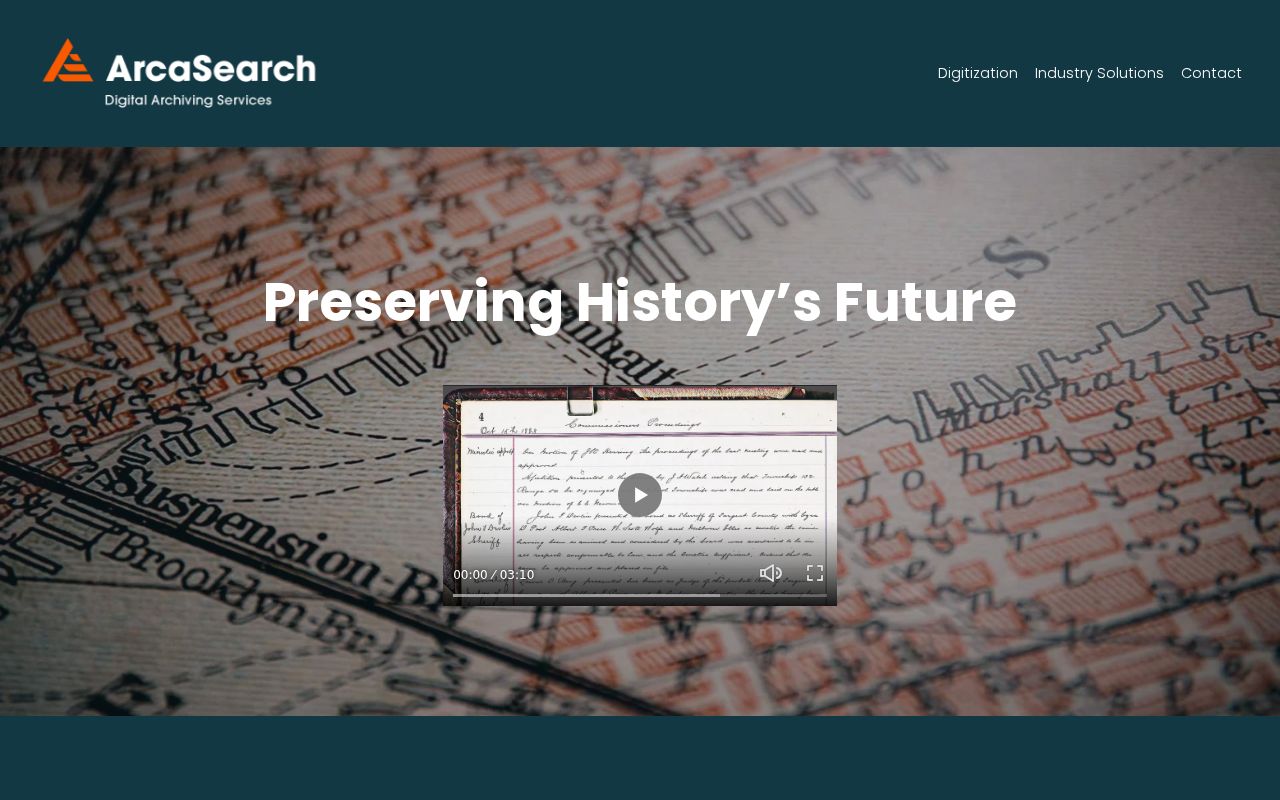
Note: the official index route shows only a reference, so confirm each transfer with the recorded instrument itself.
Jackson County Books Outlast the Online Index
Jackson County land records go back to 1854. The book trail reaches well beyond any vendor's online dates. When a former-owner search hits a screen cutoff, the Register of Deeds office is the next stop. Its hard-copy indexes and volumes cover the earlier ground. No courthouse fire or destroyed deed range appears in the county's own material. So treat a missing result as a coverage gap, not a records disaster, unless separate proof says otherwise. The office sits at 307 Main Street in Black River Falls. Staff can help identify the right record reference and provide copies in person or through a linked vendor route. For an older chain, bring names, a parcel description, and the nearest known volume, page, or document number. A legal description beats a modern street label every time. The county's Tapestry search route is one of the listed ways to reach the deed index from home.
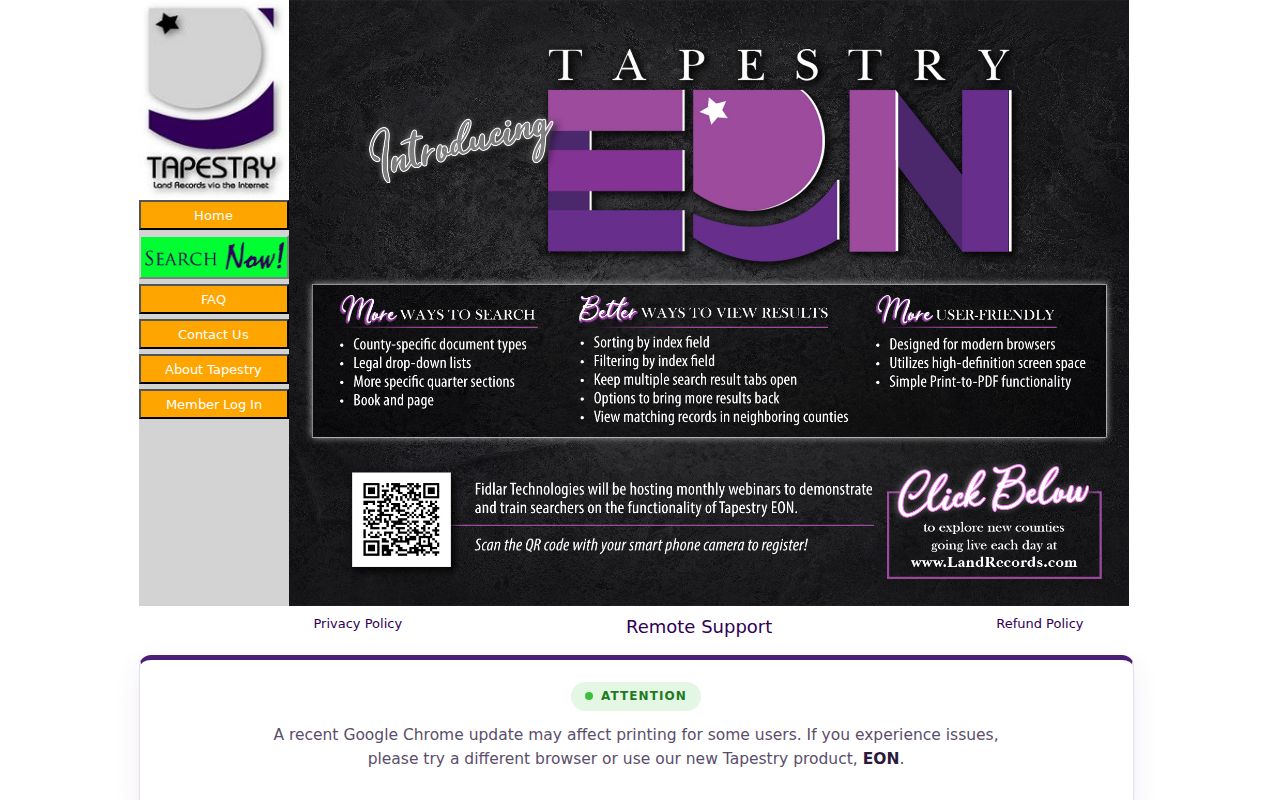
Use a current deed reference to request the next earlier volume or recorded image.
Probate Files Explained Some Jackson County Transfers
When a prior owner died, probate records may show an inventory. They may also list a will and a personal representative. Heirs or an order authorizing a land sale can appear there too. The land record then tells the rest of the story. A personal-representative deed, trustee deed, family conveyance, or recorded order documents the transfer. Each one shows how the parcel moved out of the estate. Jackson County's probate menu covers larger and smaller estates, wills, and guardianship. It does not spell out online coverage, retention years, or copy steps. Ask the clerk for those details. A death record links a name to an event. It is not a title document. Search the deed chain first. Use probate to explain the representative's authority. Then verify the transfer in the Register of Deeds. The property description may have changed. If so, compare the estate instrument with the prior deed and the parcel map.
Walking Jackson County's Deed Chain Backward
Trace Jackson County former owners by starting at the newest conveyance. Then follow its cited prior reference. The grantee received the recorded interest. The grantor conveyed it. Search each earlier owner as a grantee to find that party's own acquisition. Then repeat the pattern back through the deed records. Keep one timeline row per instrument. A matching name can still hide a mismatched parcel.
- Record the newest deed's recording date, grantee, grantor and legal description.
- Search the grantor name as a prior grantee and locate the instrument that brought the parcel to that owner.
- Compare lot, block, PLSS or CSM wording at every link, including any referenced plat.
- Continue until the vendor result ends, then ask the Register of Deeds to check the book index.
- Grantor
- The party who conveyed the interest described in a deed.
- Grantee
- The party who received that interest.
- Chain of title
- The ordered record of transfers tied to the same land.
- Legal description
- The parcel description used to test whether old and new instruments match.
Ann Street in a Jackson County Plat
A Black River Falls council packet ties today's West Lincoln Street to its earlier name. That name was Ann Street, in Jacob Spaulding's Addition No. 2. The plat was recorded on June 27, 1861, in Volume A of Plats, Page 21. That kind of detail matters. An old deed may name a lot or street that no longer matches a modern address. Search the plat citation. Carry the lot and block forward through later conveyances. A plat shows the original subdivision layout, not today's buildings or current survey lines. Later CSMs or a new survey can explain how the parcel changed shape over time. Clues like this bridge a street-name change. They do not assume two differently named locations are the same property. The Register of Deeds and the local history room hold the maps that settle it.
Jackson County History Rooms Filled the Gaps
The Jackson County History Room sits inside the Black River Falls Public Library. Its holdings lean toward people rather than parcels. Donated family histories and local reference works fill shelves there. A parcel portal will never show that material. Historian Mary I. Murray Woods staffs the room, and she asks researchers to call ahead. Listed hours run Monday through Wednesday, 11 a.m. to 4:30 p.m., or by appointment. The library's History Room information gives contact details and research guidance.
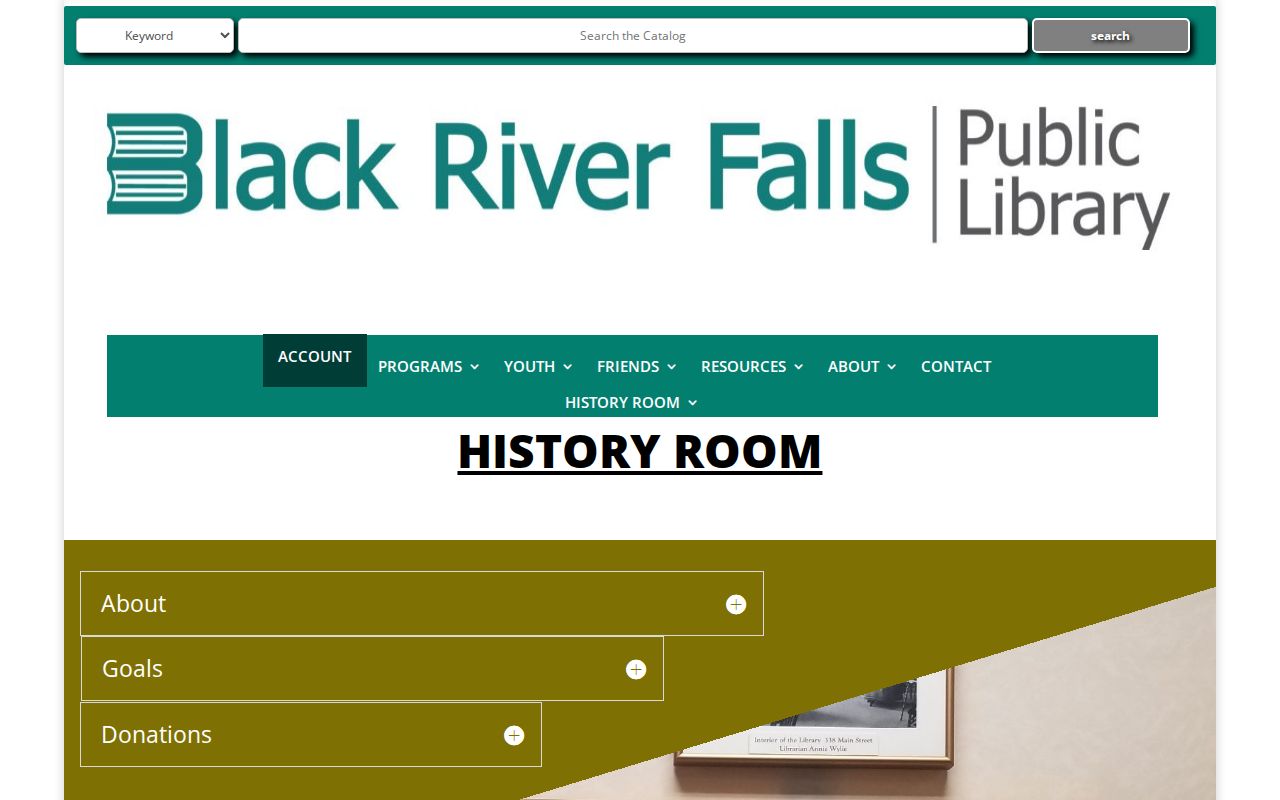
A quick call helps staff pull the right collection. It can also secure an appointment before a courthouse trip. The Jackson County Historical Society handles research requests too. It sells paper or digital reproductions for $1 per copy. Its request form wants the topic and the time period. It also asks for any known names and the record types involved. Use the Society's research request page whenever a deed chain needs local-history context. That context often enriches Jackson County property records.
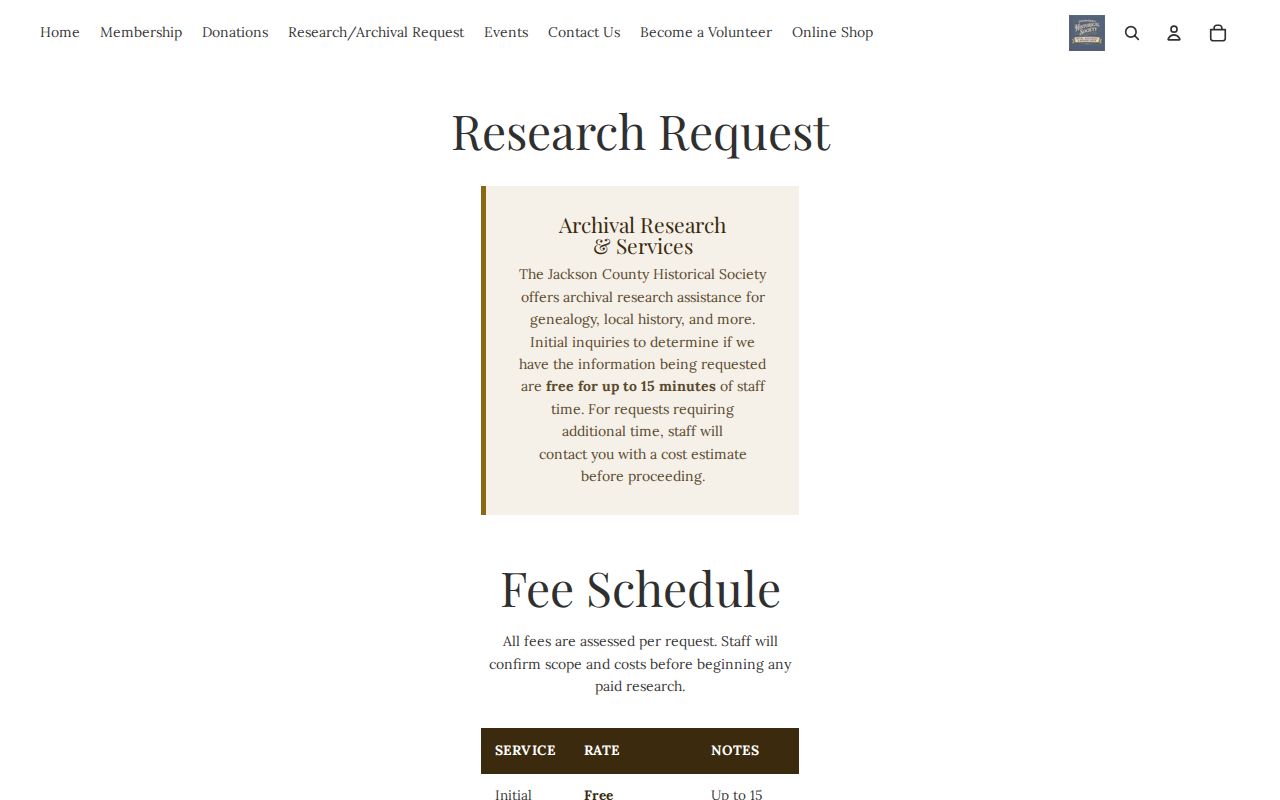
Local history can suggest a name or a date worth checking in Jackson County deed records, but the recorded deed still proves the transfer of the parcel.
Jackson County Clues in WHS Indexes
The Wisconsin Historical Society's pre-1907 vital indexes can link an owner, an heir, or a family name to a specific event. Online entries are abbreviated. They may show the county and the event date. They may also show a volume and page, a reel number, a record number, or an index sequence. Full records live on microfilm in Madison. The complete record does not appear online. Statewide county registration began in 1852. Enforcement stayed uneven until about 1880, and most surviving records postdate that stretch.
For a Jackson County former-owner question, a vital record might explain a death or a name change. It does not convey the parcel. Follow the clue into probate or a recorded deed. Then compare the legal description before adding anyone to the ownership chain.
When you write to the History Room or the Historical Society, send the surname spellings you know and approximate years. Include the former street or plat name. Send the parcel's legal description if you have it. A family file might surface an earlier owner of record. It might also explain why an instrument carries an odd name. Still, it is a lead for the deed search, not an ownership record by itself. Keep each clue's repository, date, and reference beside your chain notes. That discipline keeps a local-history lead from being mistaken for a recorded conveyance in Jackson County property records. The WHS Jackson County record entry shows the reel and volume references in practice.
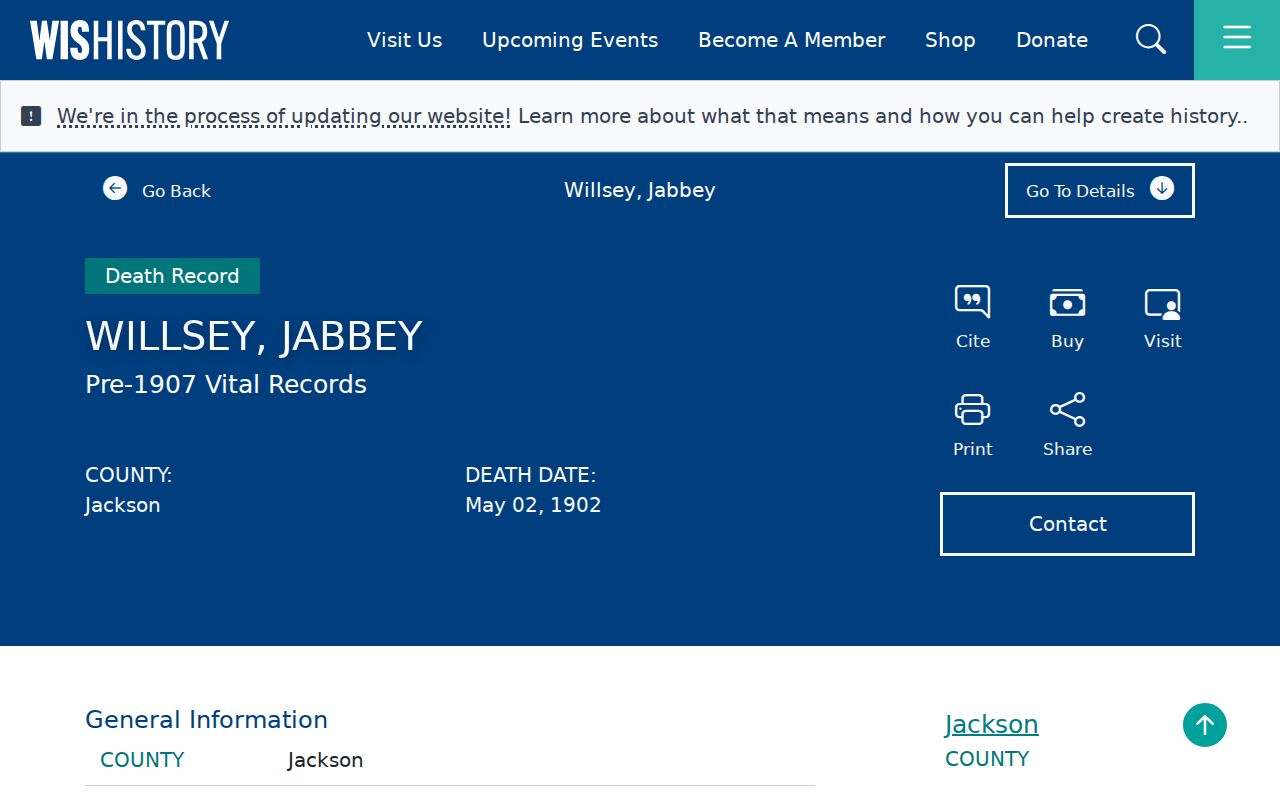
Index details point you toward the right microfilm request. The land deed remains the transfer evidence. Later certificates follow different rules. Wisconsin DHS and county Register of Deeds offices control access under state law. Birth index information stays closed for 100 years, and specified death information for 50 years under Wis. Stat. §69.20, with exceptions. Those records add family context, yet they sit apart from Jackson County title records. Review the state's vital-record genealogy guidance for the full access table.
Match the access period to the event's year before requesting any certificate or index detail from the county recorder.
Jackson County Ownership Records Reach Back
Jackson County land records date to 1854. That start gives former-owner research a known horizon in the county's own books. No earlier Jackson County deed series or specific lost range is identified beyond it. Online vendor dates run much later and describe only the vendor's channel. For a full property search, work from the current instrument back into the Register of Deeds book indexes. Ask staff about gaps by document type.
Move one recorded reference at a time. Take the latest grantee. Search that name as a grantor. Confirm the legal description still matches the parcel. A name match alone proves little. Lots get split, streets get renamed, and estates sometimes convey only part of an interest. Log the deed date, the recording date, and the prior reference together. Continue until your chain reaches the county book period or another documented property-records source.
Lawful use. Former-owner research supports house history and legitimate property diligence. Do not use records to track, harass or harm a living person, and verify every link with the custodian.